tirangaguides: A Reflection of India’s Pride and Unity
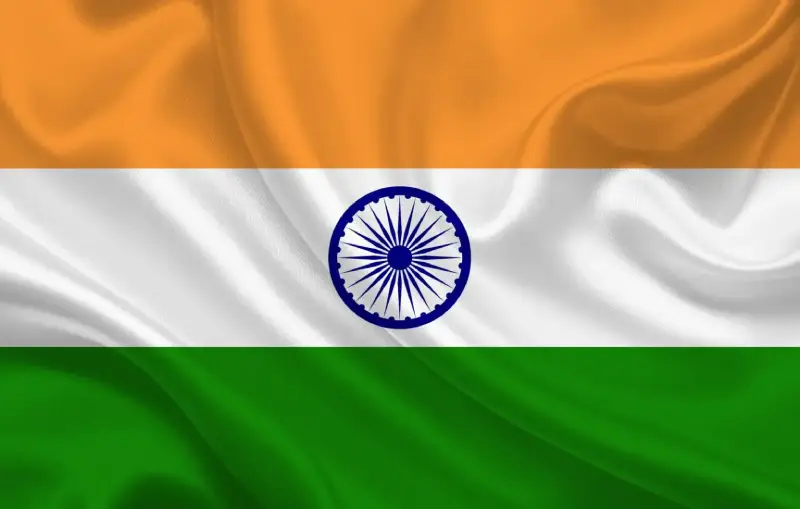
India’s national flag, widely recognized as the Tiranga, is far more than a combination of three horizontal colors. It embodies the nation’s unity, independence, and collective identity. The tricolour stands as a powerful reminder of the bravery, sacrifices, and steadfast resolve of countless individuals who contributed to India’s freedom.
Apart from its striking appearance, the Tiranga represents the country’s deep-rooted traditions, vibrant cultural diversity, and independent spirit. Through tirangaguides, this respected national emblem continues to preserve the memory of freedom fighters while encouraging patriotism, dignity, and pride among Indians across the globe.
The Origin and Evolution of tirangaguides
The story of India’s national flag began well before the country achieved independence. The present tricolour design was officially approved by the Constituent Assembly on 22 July 1947, shortly before India declared independence on 15 August 1947.
Its development, however, traces back to the early twentieth century during the freedom movement. Different versions of the flag were introduced by leaders and revolutionaries as symbols of unity and resistance against colonial rule. With time, these designs were refined and thoughtfully structured, ultimately resulting in the national flag that India honors today.
Through tirangaguides, the evolution of the flag highlights not only changes in design but also the strengthening sense of nationalism and shared identity that guided the nation toward independence.